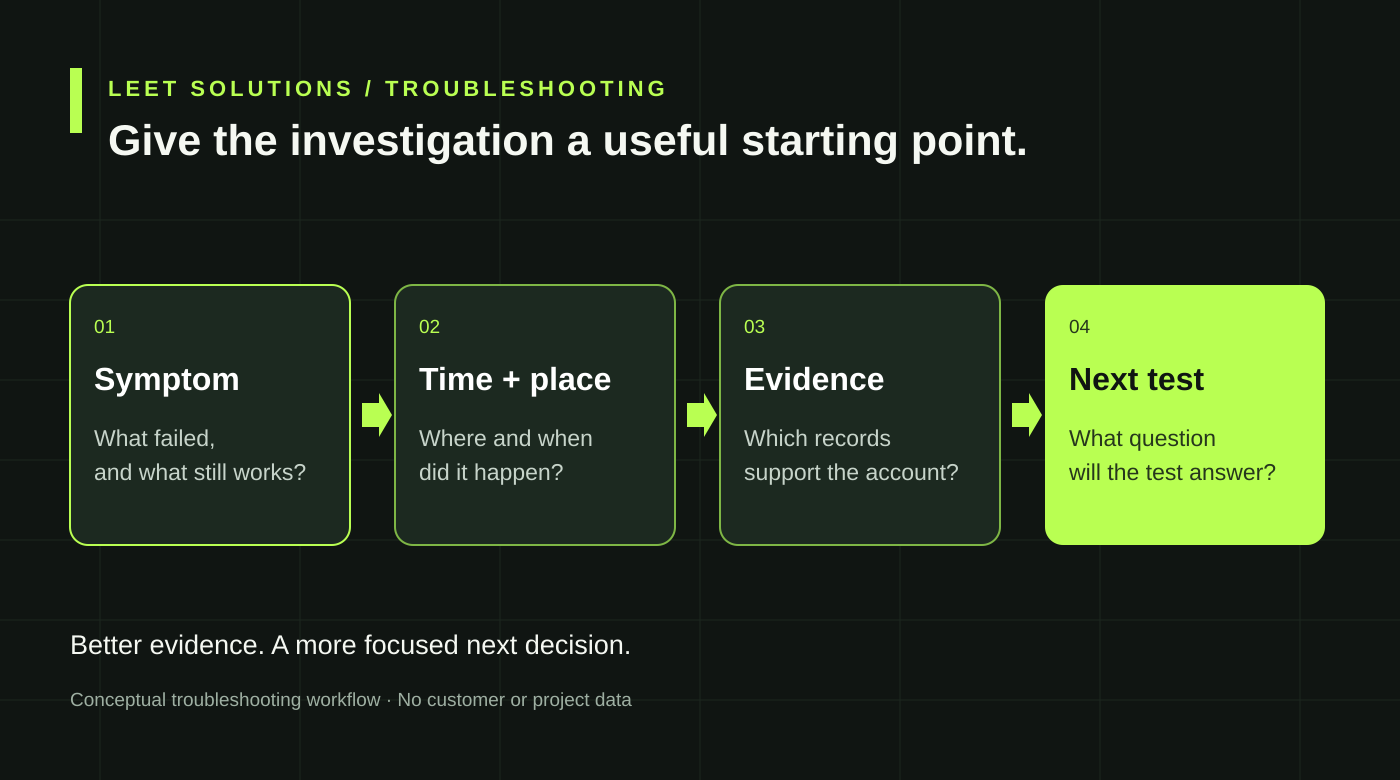
TROUBLESHOOTING
Before buying more APs: build a useful Wi-Fi incident brief
Prepare a Wi-Fi troubleshooting brief with clear symptoms, timestamps, comparable tests and safe evidence handling before buying more access points.

ARTICLES
Practical wireless engineering by Ryan White. RF, roaming, security, and the occasional reminder that a green heatmap is not a business outcome.
13 articles
TROUBLESHOOTING
Prepare a Wi-Fi troubleshooting brief with clear symptoms, timestamps, comparable tests and safe evidence handling before buying more access points.
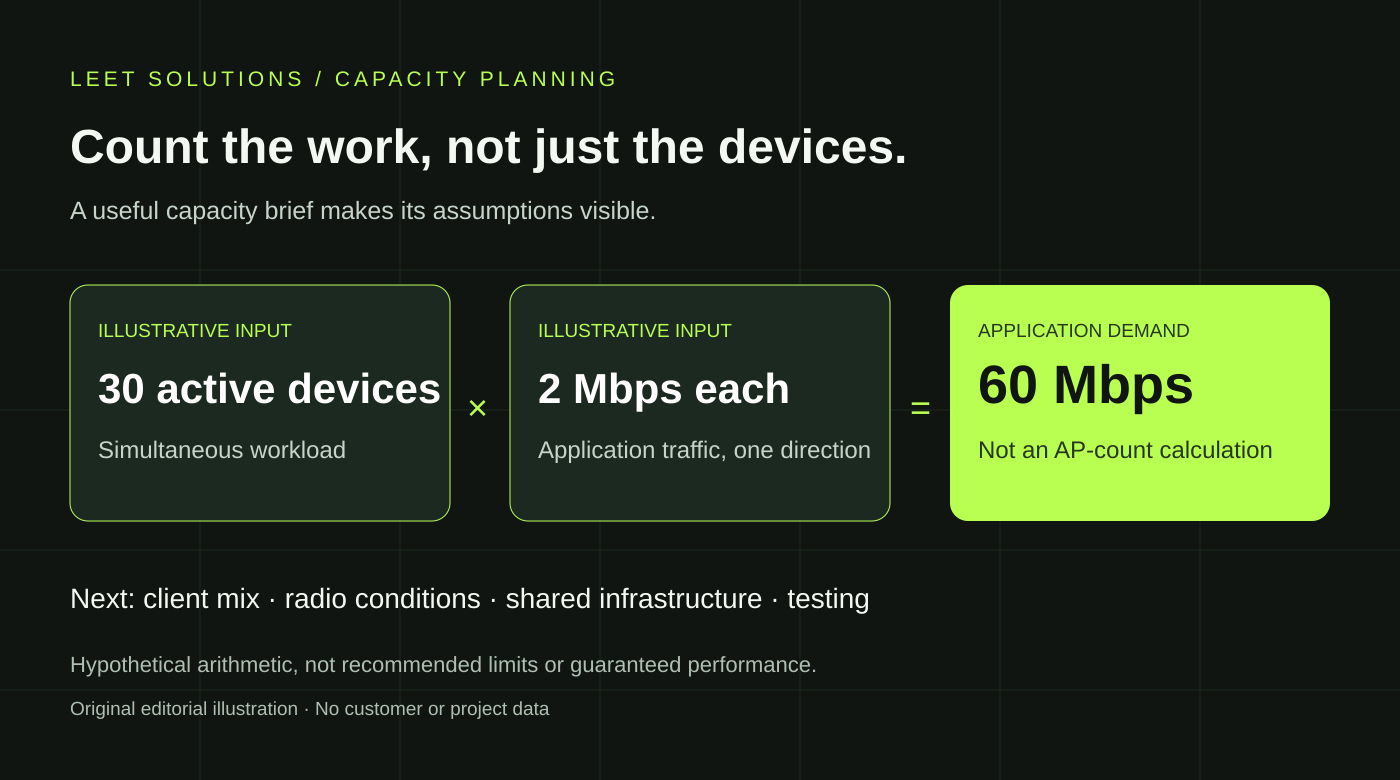
CAPACITY PLANNING
Turn a device count into a useful Wi-Fi capacity brief: active clients, application demand, busy-hour assumptions and the limits behind AP specifications.
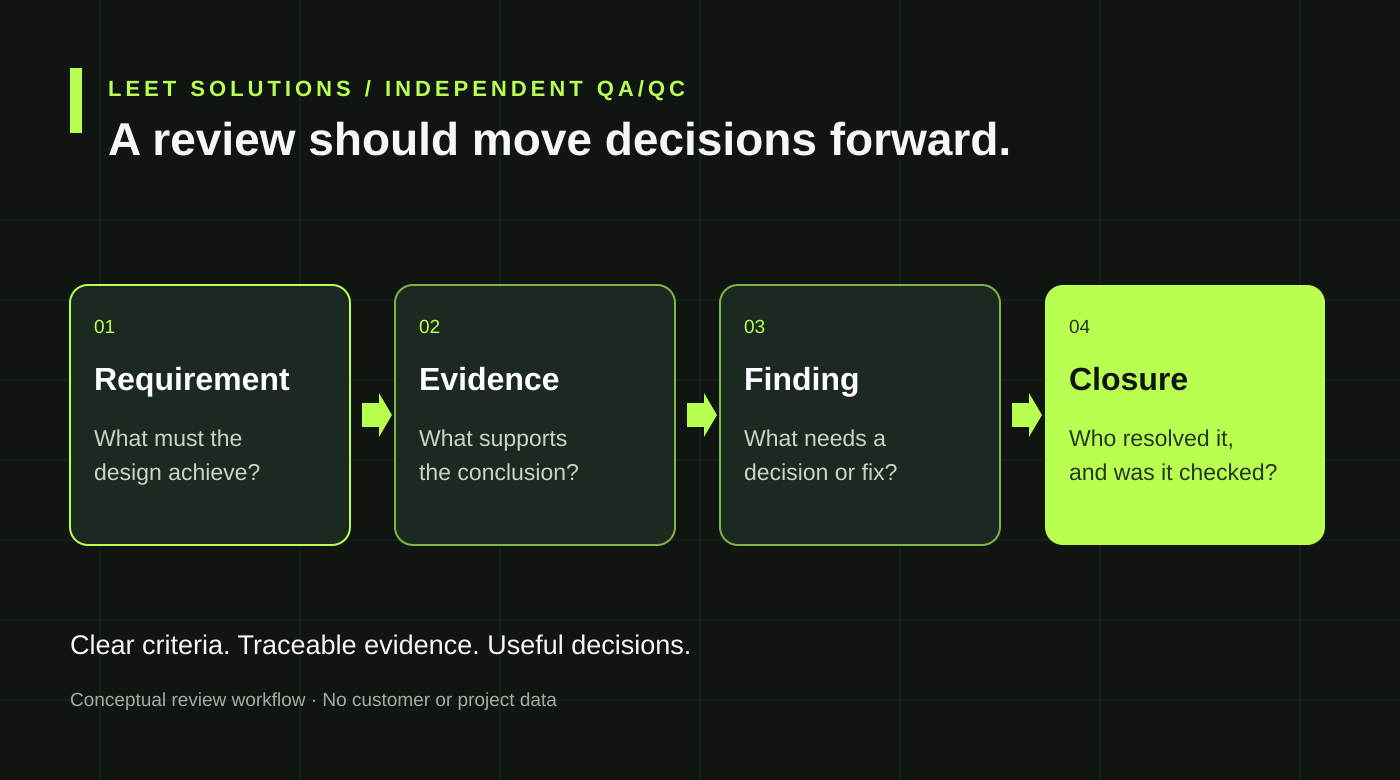
INDEPENDENT QA/QC
What to expect from independent Wi-Fi QA/QC: traceable requirements, evidence-based findings, clear review boundaries and a practical path to closure.
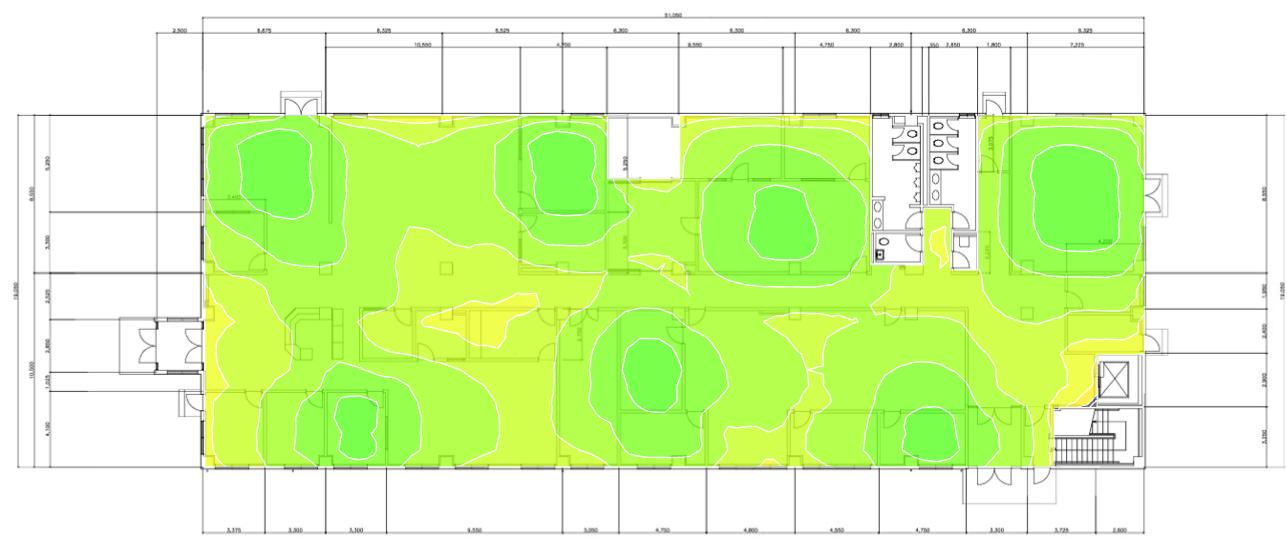
REMOTE PREDICTIVE DESIGN
A practical project-intake checklist for floor plans, client needs, equipment choices, installation constraints, and the assumptions that still need measuring.
WIRELESS ENGINEERING
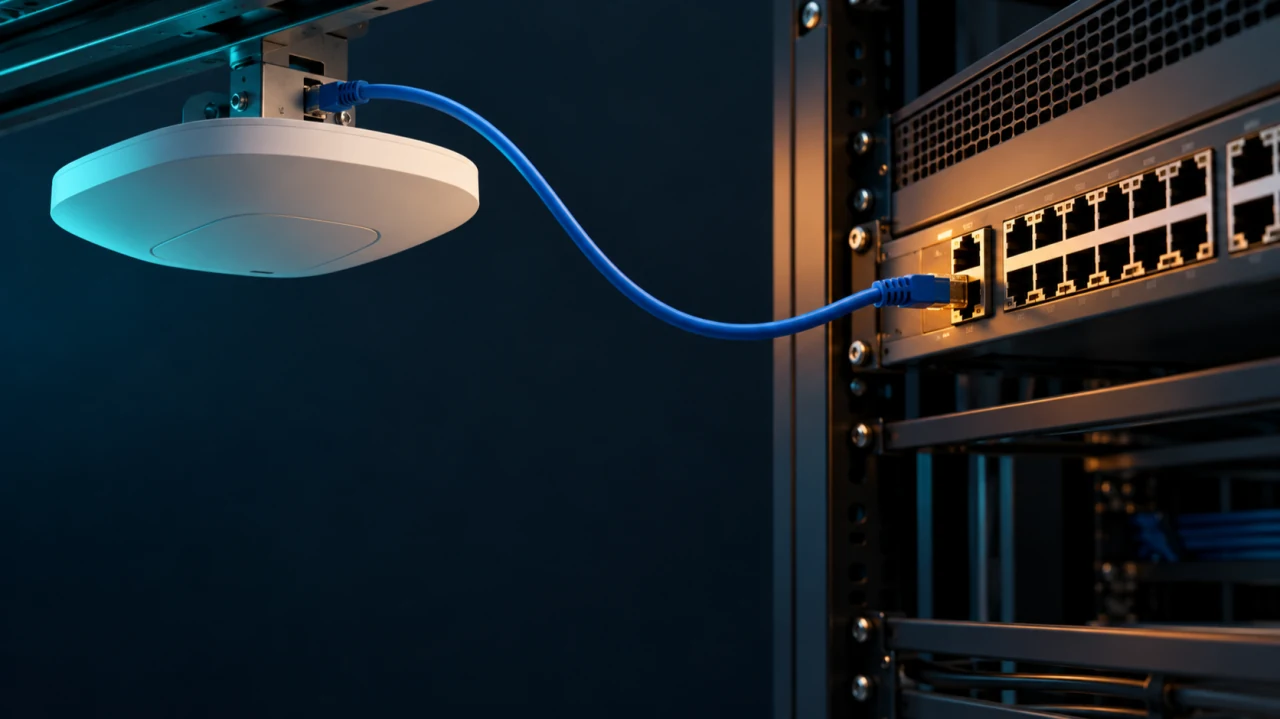
An AP coming online proves that it booted. It does not prove that every radio and feature in the design survived the PoE budget.
This week’s article looks at model-specific power restrictions, LLDP negotiation, aggregate switch budgets, and the acceptance evidence that connects an AP on the dashboard to the service we actually designed.
The ceiling runs on the watts that arrive.

WIRELESS ENGINEERING
WPA3 is a security upgrade. It is also a client-compatibility project wearing a nicer cipher suite.
I wrote about PMF, transition modes, 6 GHz, the awkward client long tail, and why a mixed-mode SSID needs an expiration date—not a permanent lease.
The cryptography can be ready on Tuesday. Your oldest scanner will still request a meeting for Monday morning.

WIRELESS ENGINEERING
Wi-Fi 7 gave clients more than one link. It did not create more airtime, repair a lazy channel plan, or persuade every client implementation to behave the same way.
I wrote about what Multi-Link Operation can genuinely improve, what it complicates, and how to validate it without grading the WLAN on a PHY-rate screenshot.
Physics, as usual, declined the software update.
WIRELESS ENGINEERING
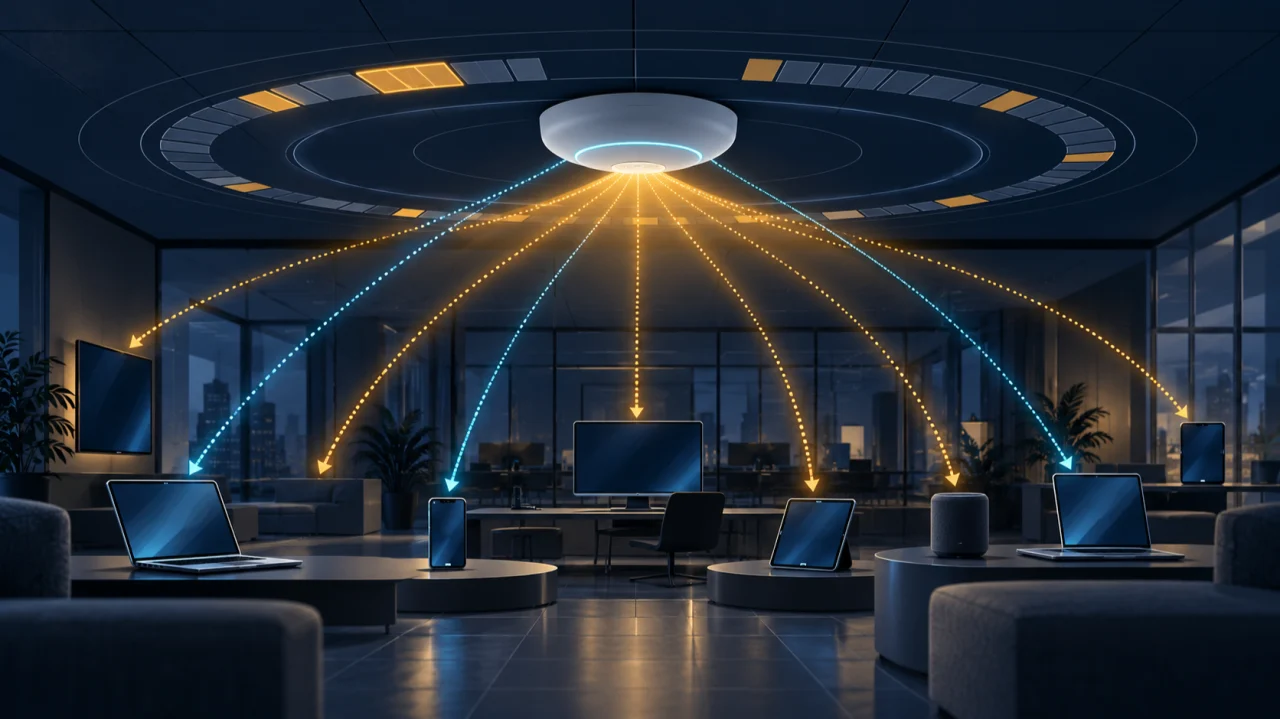
Ethernet taught us to treat broadcast as cheap plumbing. Wi-Fi charges by airtime.
A few discovery packets look harmless in a capture until they are repeated at conservative rates across a shared channel, without the delivery behavior we expect from unicast.
I wrote about multicast, mDNS, service-discovery gateways, basic rates, and why packet count is the wrong accounting system for RF.
#WiFi #WirelessNetworking #RFEngineering
WIRELESS ENGINEERING
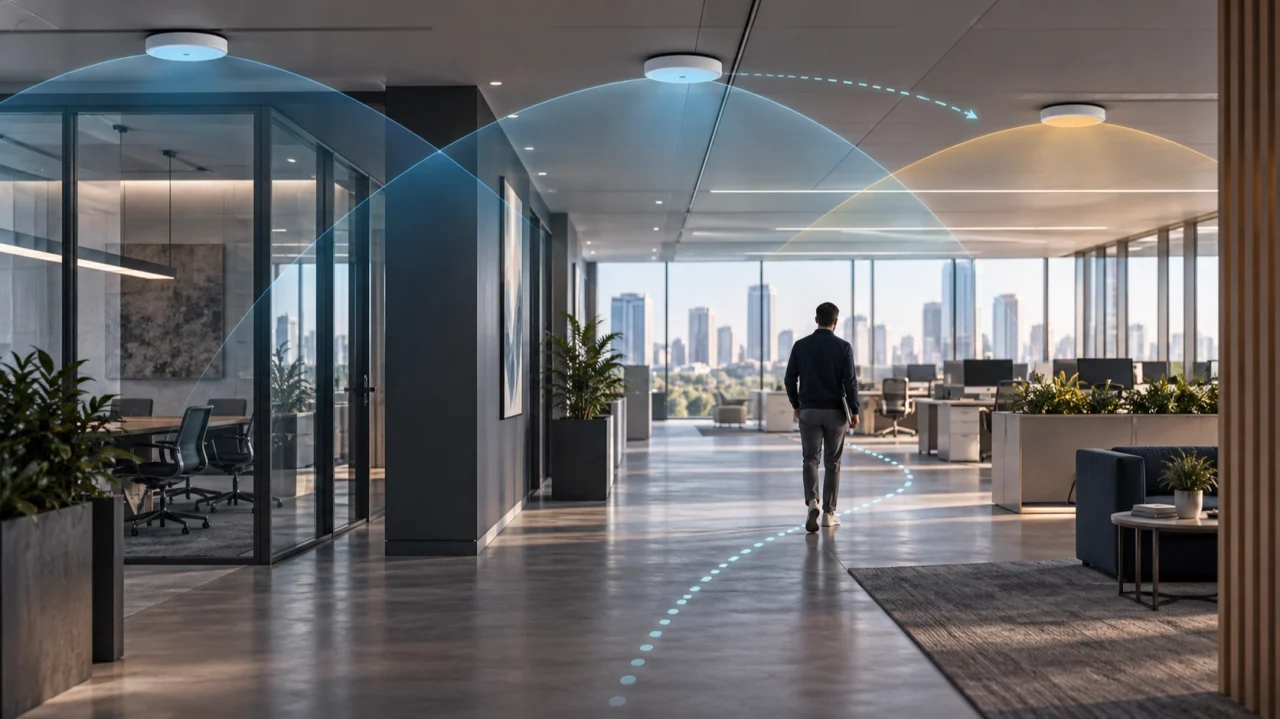
If your roaming strategy begins and ends with enabling 802.11k/v/r, the client would like a word.
Those features can shorten scans, recommend a better BSS, and reduce authentication delay. They cannot make a handset roam before its own algorithm decides the current connection is no longer good enough. That distinction explains a fair amount of enterprise Wi-Fi folklore.
I wrote about the part of roaming we can engineer, the part we can only influence, and how to troubleshoot the gap without sacrificing another afternoon to controller screenshots.
WIRELESS ENGINEERING
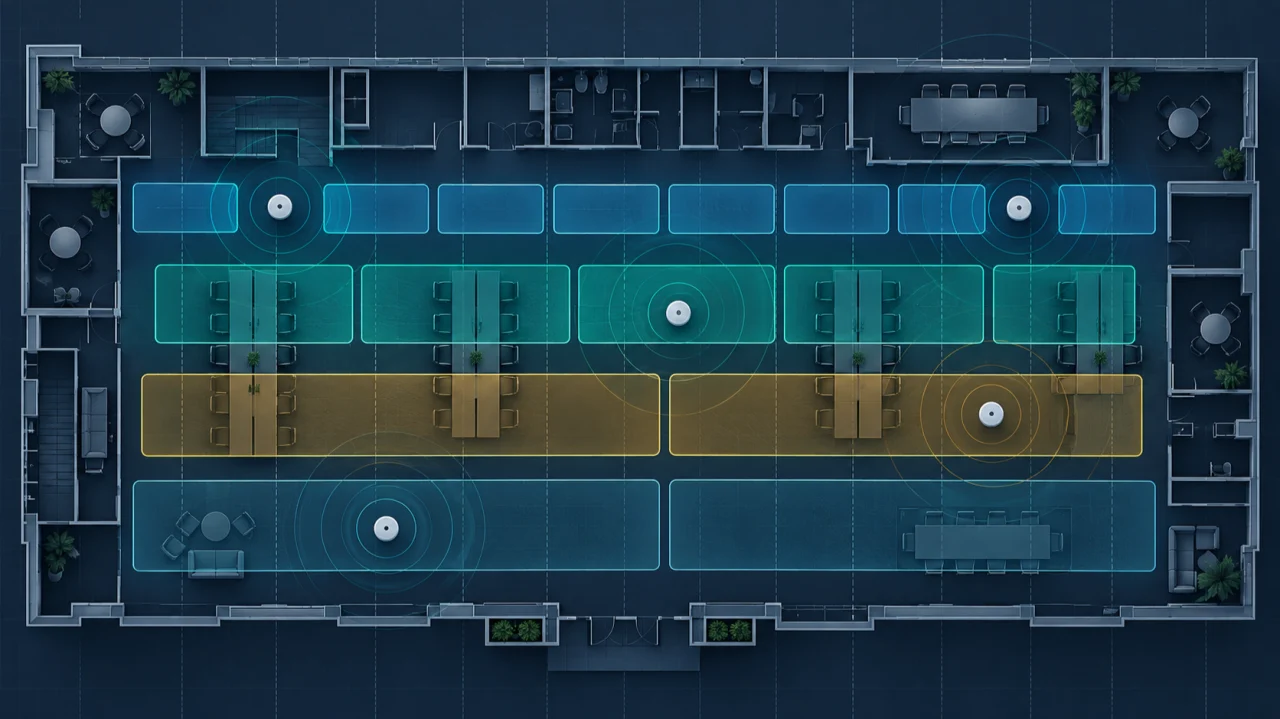
6 GHz gave Wi-Fi engineers a lot more room. Naturally, our first instinct was to see how quickly we could occupy all of it.
The widest channel is not automatically the best design. Channel width is a trade among peak rate, airtime, reuse, client capability, regulatory domain, and what the application actually needs.
I wrote a practical take on when 40, 80, and 160 MHz make sense—and why a speed-test screenshot should not be allowed to design the WLAN.
#WiFi #WirelessNetworking #NetworkEngineering
WIRELESS ENGINEERING
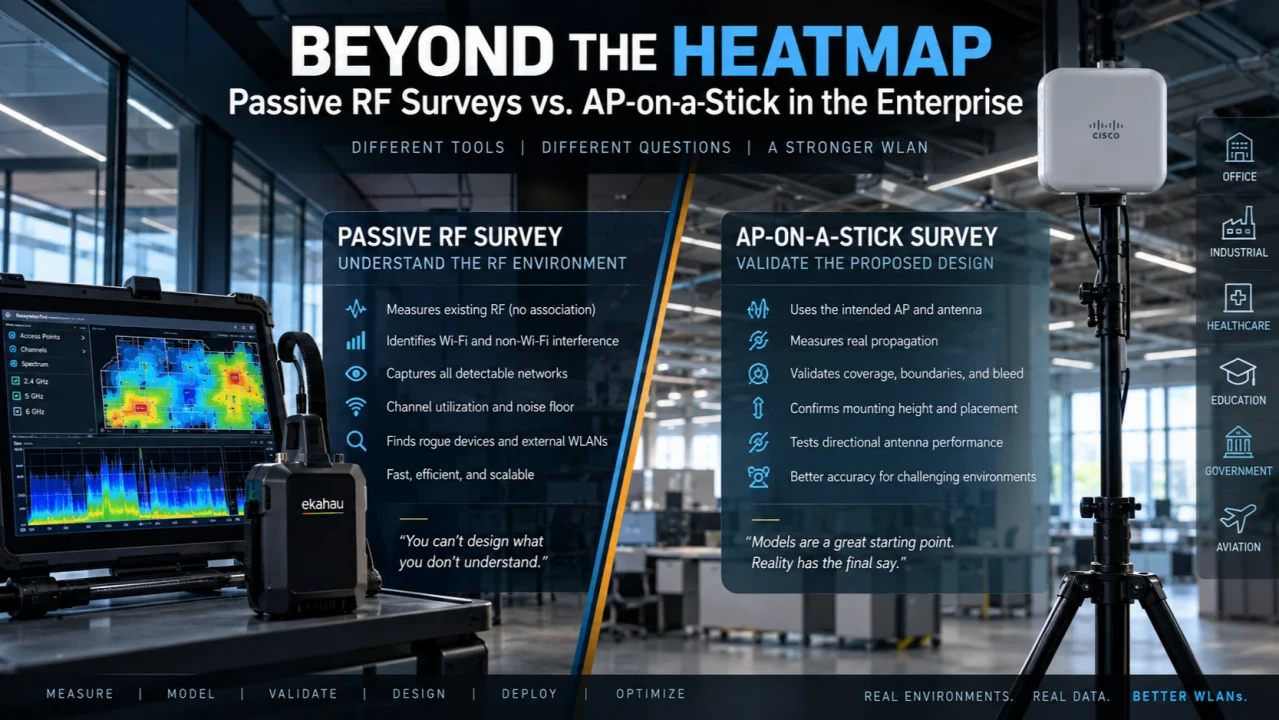
I’ve seen the passive survey vs. AP-on-a-stick debate come up more times than I can count, and I think we sometimes argue about the tools before defining what we are actually trying to measure.
A passive RF survey, APoS survey, active survey, and predictive design are not interchangeable. Each gives us a different view of the WLAN and, more importantly, each has limitations.
In this article, I get into the technical side of where each method fits: spectrum analysis, attenuation measurements, AP and antenna selection, mounting height, transmit power, uplink/downlink asymmetry, directional cells, client behavior, predictive-model calibration, post-install validation, and the point where APoS can go from valuable engineering to a very expensive exercise in moving a tripod around.
My approach is pretty simple: measure what the model cannot defend.
If an assumption can materially change AP placement, RF performance, cabling, or the final design—and I can reasonably measure it—I would rather validate it before installation than explain afterward why the heatmap was wrong.
For the wireless engineers in my network: where do you draw the line between targeted APoS and trusting a well-calibrated predictive design?
#WiFi #Wireless #WLAN #RFEngineering #WirelessEngineering #NetworkEngineering #Ekahau #SiteSurvey #APoS #80211

WIRELESS ENGINEERING
Industrial Wi-Fi gets complicated quickly when the environment includes aircraft, steel racks, mobile clients, directional antennas, and constantly changing RF conditions.
In this article, I go deeper into how I approach WLAN design for hangars and warehouses, including RF cell geometry, bidirectional link behavior, airtime capacity, CCI and spatial reuse, channel width, directional antenna selection, roaming, client capabilities, predictive modeling, and post-install validation.
One of the biggest lessons from designing these environments is that AP count and a green heatmap tell you very little by themselves. The real engineering is controlling where cells begin and end, preserving airtime and channel reuse, and designing around the clients that actually have to use the network.
For the wireless engineers and architects in my network, I’d be interested to hear how you approach RF design in large industrial environments.
#WiFi #Wireless #WLAN #RFEngineering #WirelessNetworking #NetworkEngineering #Ekahau #WiFi7 #80211
WIRELESS ENGINEERING
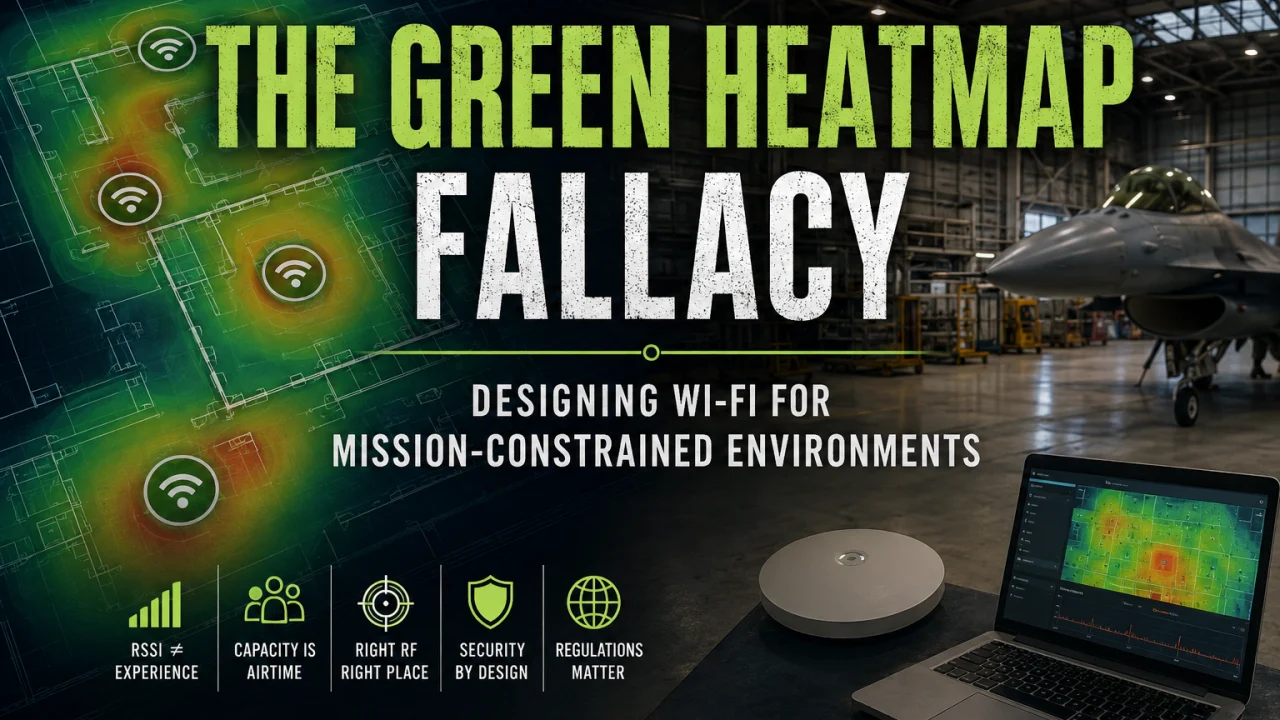
I spend a lot of time in Ekahau, and one thing I’ve learned is that a green heatmap does not automatically mean you designed a good WLAN.
RSSI is only part of the story. Client capabilities, airtime, SNR, CCI, channel reuse, antenna selection, roaming requirements, building construction, and the actual operational environment all matter.
I wrote this article about how I approach those tradeoffs across enterprise, secure, industrial, and hangar environments—and why sometimes the right answer is actually less RF, not more.
If you work in wireless, I’d be interested to hear how you approach the same problem.
#WiFi #Wireless #WLAN #WirelessNetworking #RFEngineering #80211 #Ekahau #NetworkEngineering
More wireless engineering, field notes, and conversations on LinkedIn.
Browse all LinkedIn articles ↗